

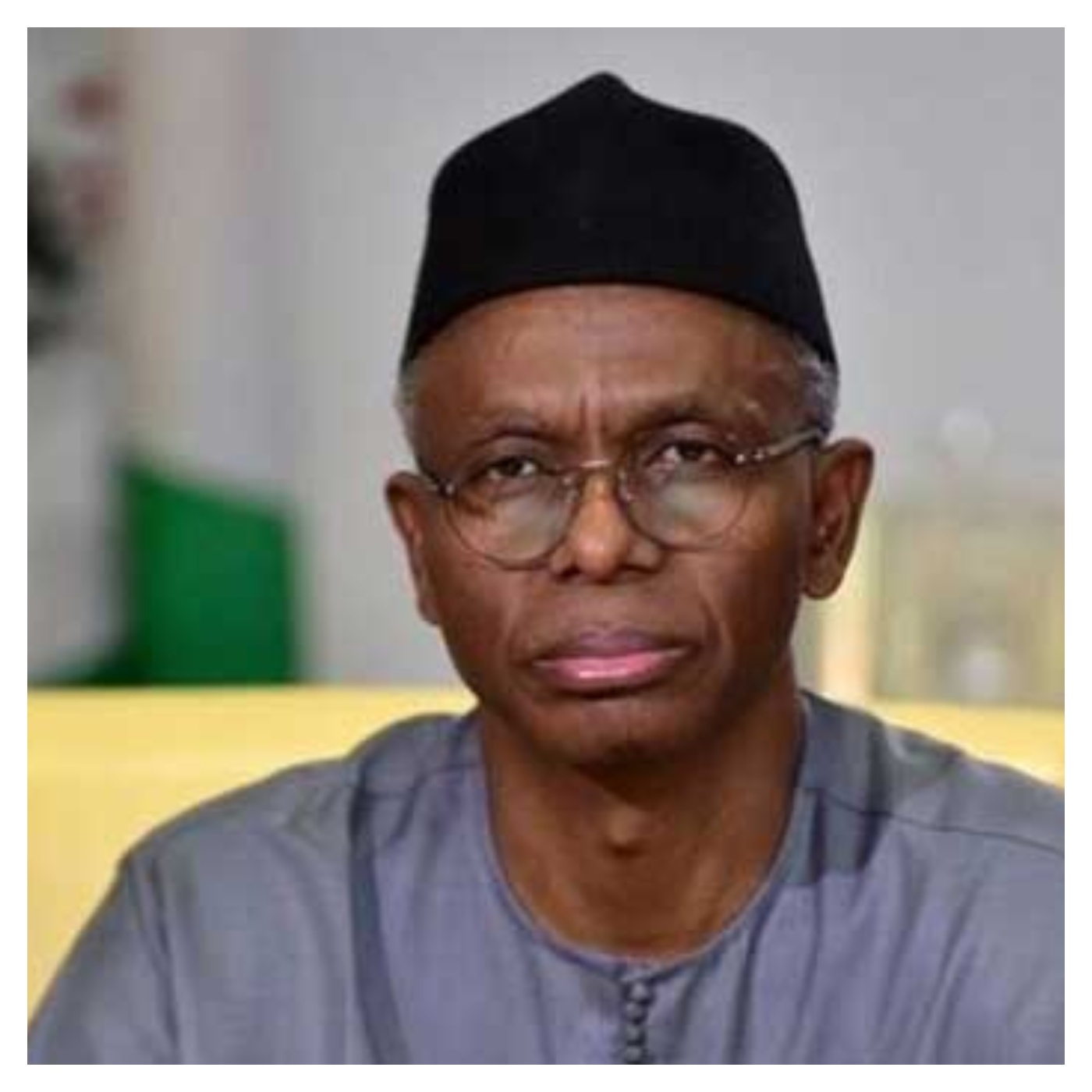
The State Security Service, SSS, on Wednesday night rearrested former Kaduna State Governor, Nasir El-Rufai, shortly after his release from the Economic and Financial Crimes Commission, EFCC.

Mr El-Rufai had been in EFCC custody since Monday over allegations bordering on corruption and abuse of office.
Though details of the specific charges have not been officially disclosed, sources within the anti-graft agency said the former governor was being questioned over financial transactions and contracts awarded during his tenure.
After spending two nights in detention, Mr El-Rufai was granted administrative bail at about 8 p.m. on Wednesday.
However, moments after stepping out of the EFCC headquarters in Abuja, he was reportedly apprehended by operatives of the SSS, who were said to have stationed themselves within the vicinity of the commission’s premises.
Eyewitnesses described the development as unexpected, noting that the SSS operatives moved swiftly to escort the former governor into a waiting vehicle without resistance.
“The EFCC had just concluded the bail process when security operatives from another agency emerged and took him away,” a source familiar with the situation said. “It appeared coordinated.”

As of the time of filing this report, the SSS has not issued an official statement explaining the basis for Mr El-Rufai’s arrest.
Meanwhile, aides and supporters of the former governor have condemned the development, describing it as harassment and a violation of due process.
One of his associates, who spoke on condition of anonymity, alleged that the move was politically motivated.
“This is clearly an attempt to keep him in perpetual detention despite meeting bail conditions,” the aide said. “If there are fresh allegations, the public deserves to know.”
Legal analysts say while security agencies have the constitutional powers to arrest and investigate individuals over suspected offences, rearresting a suspect immediately after bail may raise questions about inter-agency coordination and respect for fundamental rights.
By Ibrahim Ramalan @DailyNigerian